AI Agent vs Chatbot: Key Differences and Which One You Need
Not the same as ChatGPT specifically — how agents differ from rule-based chatbots in general, paired with the “Which Do I Need?” Quiz.
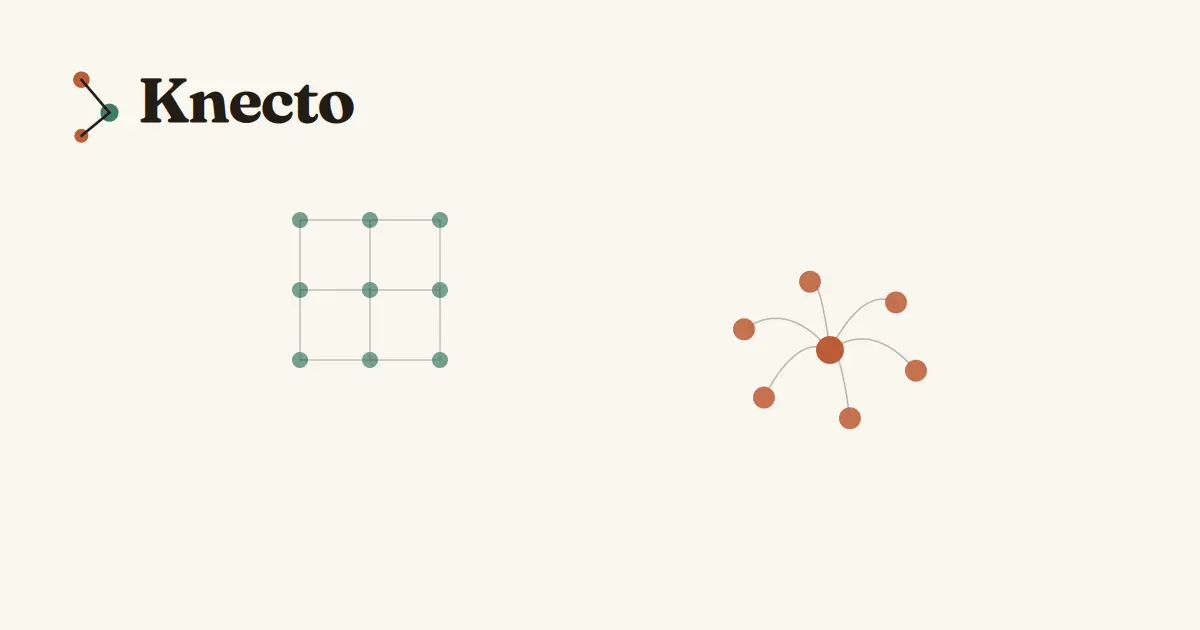
“Chatbot” used to mean one specific thing: a decision tree with buttons, built to answer the same twenty questions over and over. Then ChatGPT happened, and the word started meaning almost anything with a text box. That drift is exactly why this comparison keeps getting confused.
This isn’t AI agent vs ChatGPT — that’s a different, narrower question. This is the AI agent vs chatbot comparison that actually matters: rule-based bots, the “click here for billing, click here for support” kind still running on thousands of websites today.
What a Rule-Based Chatbot Actually Is
A rule-based chatbot follows a decision tree someone built in advance. Type or click something that matches a branch, and it responds with the pre-written line attached to it. Step outside the script — ask something the tree didn’t anticipate — and it either loops back to a menu or hands you off to a human. The NIST AI Risk Management Framework is a useful reference once you’re deciding how much of that script to hand over to something less predictable.
It doesn’t understand your question the way a language model does. It’s pattern-matching against a fixed set of options, and every possible path was written by a person ahead of time.
That’s not a criticism. For narrow, high-volume, predictable questions — “what are your hours,” “where’s my order” — a rule-based bot is fast, cheap, and reliable exactly because it never improvises. See AI Agents for Customer Service: How Much Can You Automate? for where the line actually sits in practice.
Where an AI Agent Breaks From That Script
An AI agent doesn’t work from a pre-built decision tree. It interprets what you’re actually asking, decides what needs to happen, and can take real action across connected tools — the step-by-step mechanics of that are covered in How AI Agents Work: An Interactive Breakdown — checking an order status in a live system, rebooking something, updating a record — without a human having written that specific path in advance.
The core difference isn’t “smarter.” It’s that one operates inside boundaries someone drew beforehand, and the other reasons its way through situations nobody explicitly mapped out.
Five Places the Difference Shows Up
Handling the unexpected. A rule-based bot loops back to a menu or escalates to a human. An agent works through it using judgment, even on a phrasing nobody anticipated.
Setup effort. A rule-based bot requires mapping every branch by hand before launch. An agent needs a goal and a set of tools defined — the paths themselves aren’t pre-scripted.
What it can actually do. A rule-based bot mostly displays pre-written text. An agent can look something up, change something, or complete a task in a connected system.
Maintenance over time. A rule-based bot needs a person to add fresh branches every time an unfamiliar question shows up. An agent generally adapts to new phrasings of an existing goal without someone editing a script.
Cost and complexity. A rule-based bot is cheap and fast to build and run. An agent takes more setup and more oversight, but handles far more than a fixed menu ever could.
| Trait | Rule-Based Chatbot | AI Agent |
|---|---|---|
| Logic | Fixed decision tree | Reasons through the situation |
| Off-script questions | Loops back or escalates | Handles it with judgment |
| Setup | Every branch mapped by hand | Goal and tools defined, paths not pre-scripted |
| Real actions | Mostly displays pre-written text | Can look up, change, or complete things |
| Maintenance | Manual, ongoing branch additions | Adapts to new phrasing without edits |
A rule-based chatbot is a filing cabinet with a search bar. An AI agent is closer to an assistant who actually reads the file before deciding what to do with it.
Why Both Still Exist
Rule-based bots aren’t obsolete — they’re often the right tool for genuinely narrow, high-volume, low-stakes questions where a fixed reply really is the correct one every time. Building an agent for “what are your store hours” is solving a problem that was never actually hard.
Agents earn their complexity when the questions vary too much to script in advance, or when answering well requires actually doing something in a live system, not just displaying a pre-written line. For the fuller four-way comparison including RPA and plain automation, see AI Agent vs RPA vs Chatbot vs Automation.
Which One Fits What You’re Building?
The right choice depends on how predictable your use case really is, and whether a fixed answer or a real action is what the person on the other end actually needs. The quiz below takes your specific situation and tells you which one fits.